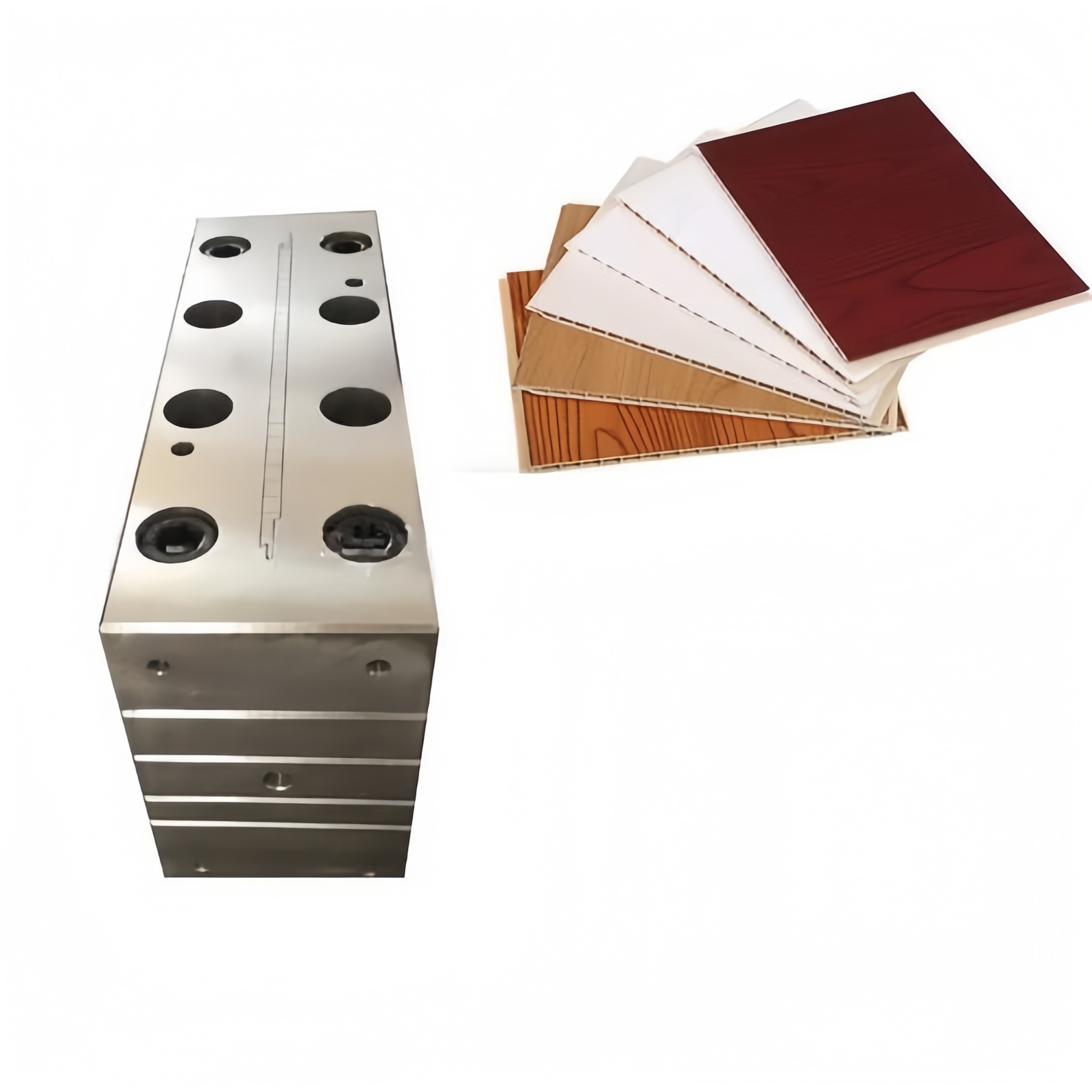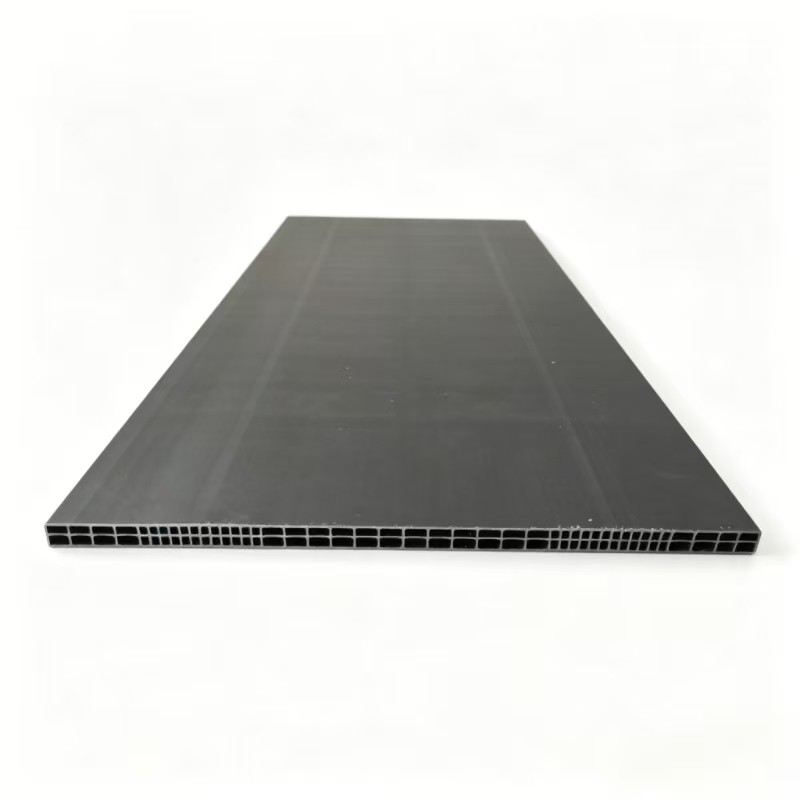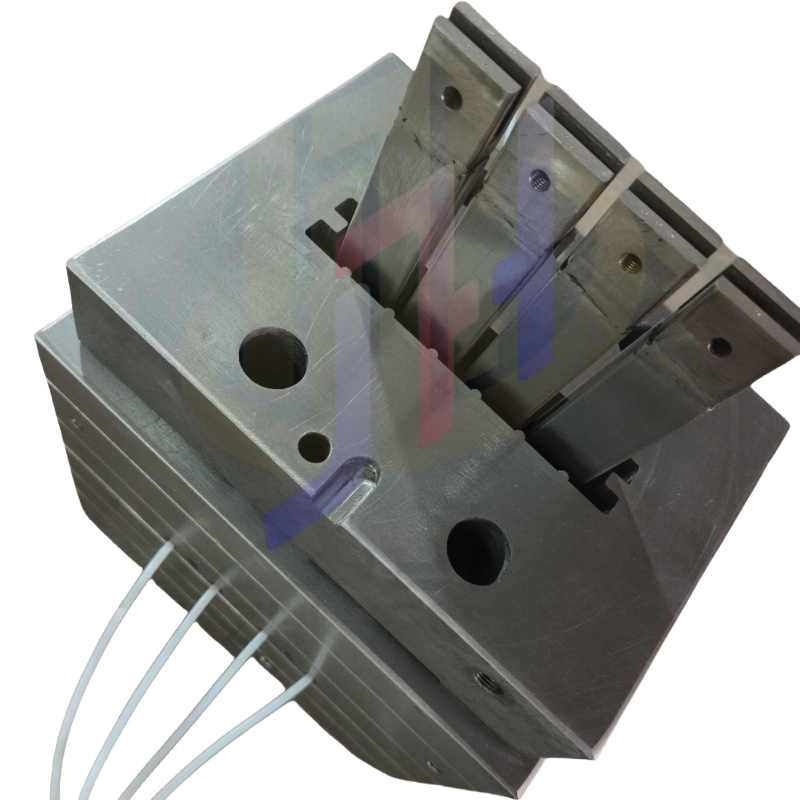
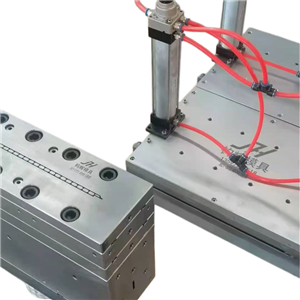
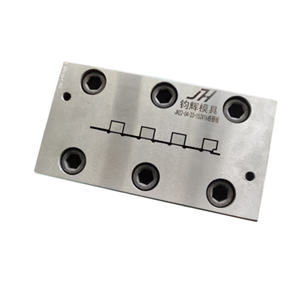
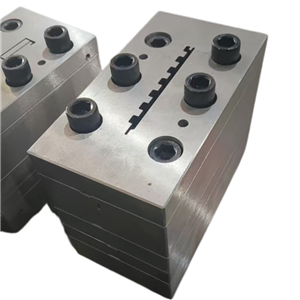

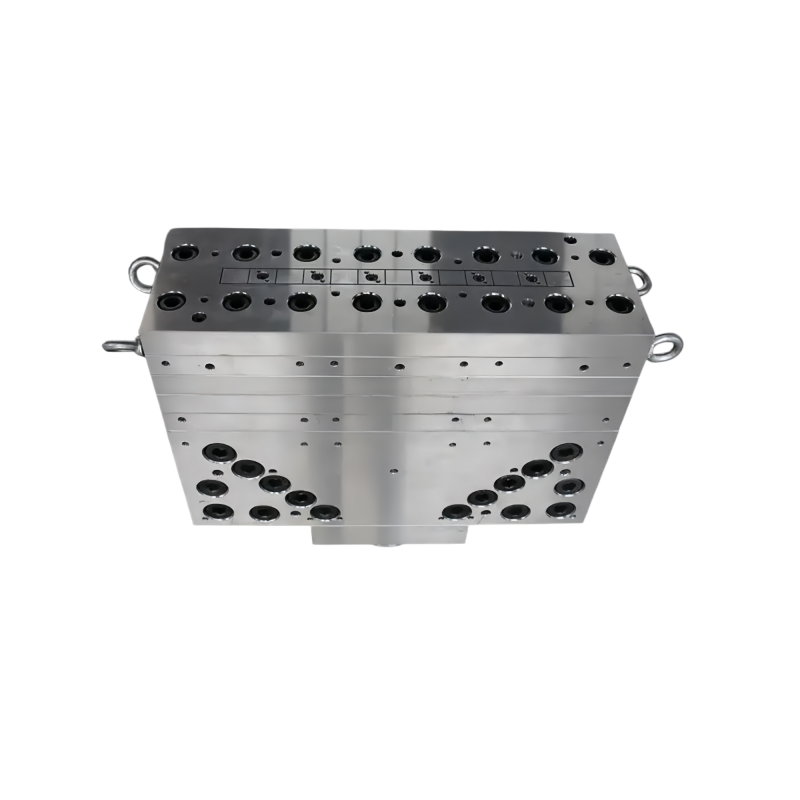
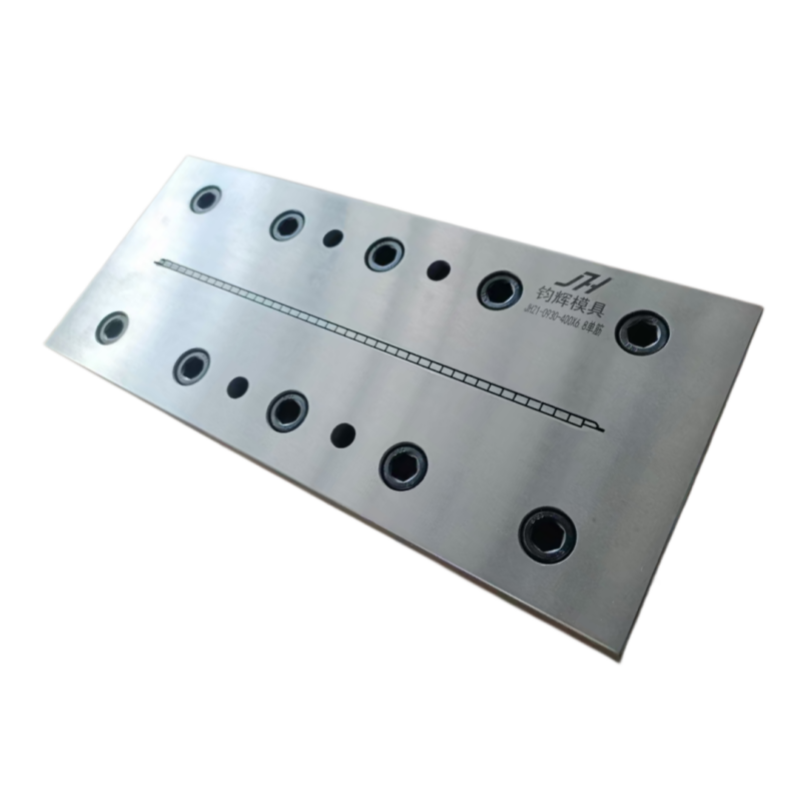
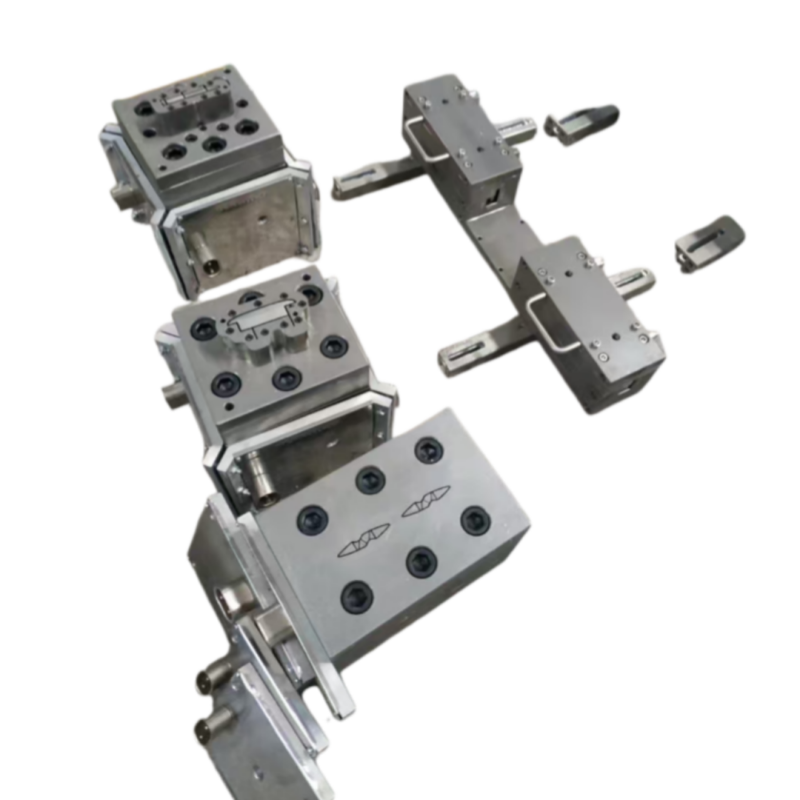
PVC UPVC WPC Wood Grain Coextrusion Multi Cavity Wall Panel Extrusion Die Mold
Brand JUN HUI
Product origin HuBei
PVC UPVC WPC Wood Grain Coextrusion Multi Cavity Wall Panel Extrusion Die Mold
This series of molds is specially developed for new eco-friendly building materials and is widely used in outdoor decking, construction templates, and decorative lines. As a professional wood plastic foaming extrusion die, its internal flow channel adopts a gradual compression and stabilization design to ensure uniform foaming and dense structure during high-speed extrusion. Meanwhile, as a wood plastic composite foaming mold, we rely on advanced 3D simulation technology to accurately calculate melt flow and foaming expansion rates, effectively preventing surface collapse or internal voids, and endowing the finished product with excellent lightweight, soundproof, and thermal insulation properties.
With robust production capabilities and extensive cooperation cases, this series of WPC hollow foam profile dies has seen continuous sales growth in domestic and international markets, earning the trust of numerous well-known building material enterprises. The mold body is made of premium alloy steel with special anti-corrosion and wear-resistant treatment, perfectly adapting to high-filler formulations. We provide not only standardized stock but also deep customization for multi-cavity and complex cross-sections. Coupled with comprehensive after-sales technical support, we ensure high-precision continuous production for every mold, helping customers reduce costs and increase efficiency.
PVC UPVC WPC Wood Grain Coextrusion Multi Cavity Wall Panel Extrusion Die Mold
This series of molds is specially developed for new eco-friendly building materials and is widely used in outdoor decking, construction templates, and decorative lines. As a professional wood plastic foaming extrusion die, its internal flow channel adopts a gradual compression and stabilization design to ensure uniform foaming and dense structure during high-speed extrusion. Meanwhile, as a wood plastic composite foaming mold, we rely on advanced 3D simulation technology to accurately calculate melt flow and foaming expansion rates, effectively preventing surface collapse or internal voids, and endowing the finished product with excellent lightweight, soundproof, and thermal insulation properties.
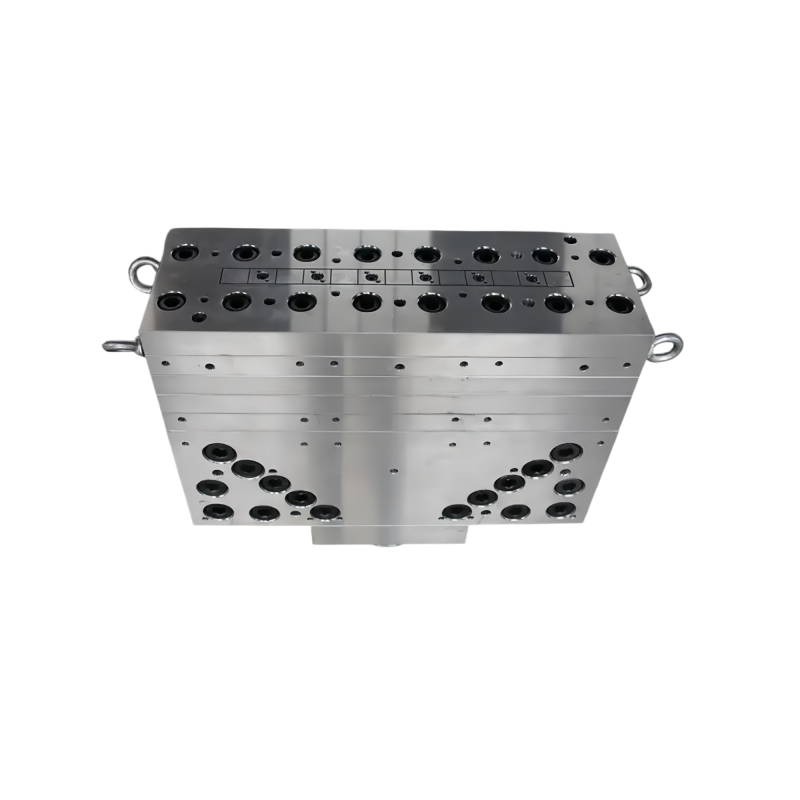
Installation and preheating: Install the mold smoothly onto the extruder flange, ensuring good sealing at the connection. Turn on the heating system and set the temperature in each temperature zone according to the formula requirements (usually controlled between 155 ℃ -185 ℃). It is recommended to preheat the mold to the target temperature first, and then heat the extruder. The total heating time should not exceed 20 minutes to avoid the material stuck in the barrel from being heated and gelatinized.
Low speed start-up and exhaust: When starting up, it is necessary to first use low-speed operation (such as 5 revolutions per minute for the main engine and 3 revolutions per minute for feeding), wait for the material to be evenly extruded from the mold head, and then slowly increase the speed to normal production speed. If material sticking to the mold is found, a small amount of lubricant can be added to the exhaust port; If it is still not normal, the machine needs to be stopped for mold removal and cleaning.
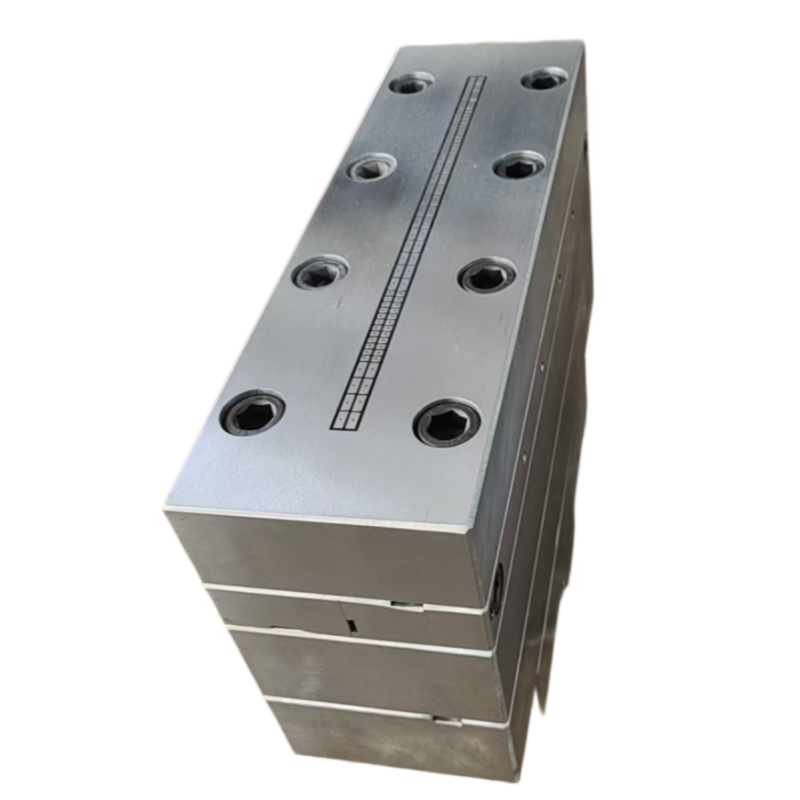
Foaming and shaping control: After the material leaves the mold, the pressure drops sharply, and the foaming agent gas is released to form micropores. At this time, it is necessary to use a vacuum shaping table and a cooling water tank to quickly shape the profile by adjusting the vacuum degree and cooling water temperature (recommended to be controlled at around 15 ℃), in order to prevent warping or internal stress deformation of the profile due to uneven cooling.
Traction and cutting: Adjust the speed of the traction machine to keep it synchronized and matched with the extrusion speed. Excessive traction speed can cause thinning or even breakage of the profile wall thickness, while too slow speed can lead to material blockage or insufficient foaming ratio.
Shutdown and cleaning maintenance: After production is completed, specialized cleaning materials or PVC cleaning materials should be used to replace the production materials inside the mold to prevent wood powder and plastic from carbonizing and coking in the mold flow channel. When disassembling the mold, copper tools must be used to clean the flow channel, and it is strictly prohibited to use hard iron tools to scrape, so as not to damage the mirror polishing layer on the surface of the mold.